

Key Takeaways:
- Understanding how different commercial roofing solutions can impact energy efficiency.
- Exploring the benefits of energy-efficient roofing for businesses.
- Reviewing different roofing materials and their energy-saving properties.
- How to choose the right roofing solution for your commercial property.
Energy Efficiency in Commercial Buildings: Its Significance
The energy economy is an essential consideration for companies. Not only does it reduce operating costs, but it also contributes to environmental sustainability. Optimizing energy use in commercial buildings has never been more critical with increasing energy costs. Commercial buildings often consume a significant amount of energy, primarily for heating, cooling, and lighting, making it essential to find ways to reduce this consumption. It is crucial for commercial roofing services St. Louis County, MO, who want to look for options that improve energy efficiency. Implementing efficient roofing can result in considerable savings and contribute to a more eco-friendly community.
How Commercial Roofing Impacts Energy Efficiency
Commercial roofing plays a vital role in energy consumption. A well-designed roof can reflect solar heat, reduce cooling costs, and enhance overall building performance. Innovations in roof technology have made it possible to achieve substantial energy savings. Modern roofing materials and techniques can significantly decrease the heat the building absorbs, thus reducing the need for air conditioning. Techniques such as reflective coatings and specialized membranes can turn the roof into a barrier against extreme weather conditions, improving energy efficiency.
Benefits of Energy-Efficient Roofing
- Reduced Energy Bills: Energy-efficient roofs lower air conditioning needs by reflecting heat and providing better insulation. This reduction in cooling requirements can lead to significant savings on energy bills, especially during hot summer months when cooling costs tend to spike.
- Enhanced Comfort: These roofs regulate indoor temperature, making the building’s environment more comfortable. Additionally, a steady interior environment may ease the burden on HVAC systems, increasing their longevity and lowering maintenance expenses.
- Environmental Impact: Lower energy consumption means reduced greenhouse gas emissions, contributing to a greener planet. Companies that use energy-efficient roofing can attract environmentally sensitive stakeholders and customers while strengthening their corporate social responsibility programs.
Popular Energy-Efficient Roofing Materials
There are several roofing materials known for their energy-saving properties:
- Cool Roofs: Compared to conventional roofing, these roofs are made to reflect more sunshine and absorb less heat. Cool roofs can be made from reflective paint, a sheet covering, or highly reflective tiles or shingles. By reducing heat absorption, cool roofs can lower the temperature of the building, thereby reducing cooling costs.
- Green Roofs: Vegetation-covered green roofs provide natural insulation and reduce the urban heat island effect. They may also control stormwater runoff, enhance air quality, and add greenery to urban areas. In addition to energy savings, green roofs contribute to biodiversity and create pleasant recreational areas for building occupants.
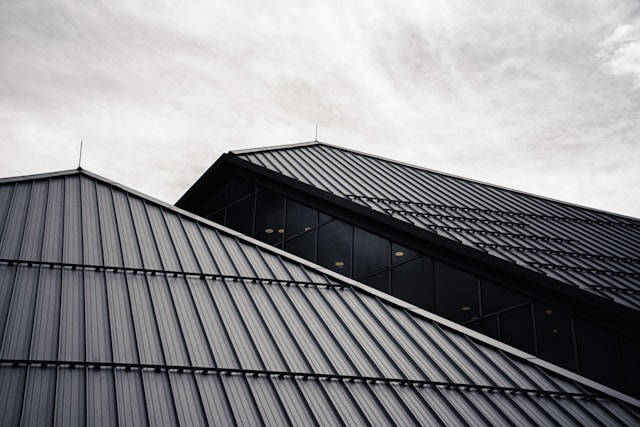
- Metal Roofs: Metal roofs are a reliable choice for energy efficiency because of their extended lifespan and excellent reflectivity. Metal roofs can add reflective coatings to increase their energy efficiency. Furthermore, metal roofs have a long lifespan and require little upkeep, making them affordable.
Choosing the Right Roofing Solution
When selecting a roofing solution, consider the climate, the building’s design, and the budget. Although energy-efficient solutions may cost more upfront, they save much money over time. Working with a skilled roofing contractor who can recommend the best materials for your specific needs is essential. Factors like the building’s orientation, existing insulation, and typical weather conditions should all be considered. For your property, an energy audit conducted by a qualified contractor can identify the best roofing options.
Steps to Implementing Energy-Efficient Roofing
- Consultation: Work with a roofing expert to assess your current roof and explore energy-efficient options. The expert can provide insights into the latest roofing technologies and materials that align with your energy-saving goals.
- Material Selection: Choose a roofing material appropriate for your climate and energy-saving objectives. Look for materials known for their reflectivity and insulation properties, tailored to your location’s specific environmental conditions.
- Professional Installation: Ensure the roofing system is installed correctly to maximize energy efficiency benefits. Inadequate insulation and leaks can impair the roof’s performance, so proper installation is essential.
- Frequent Maintenance: Carry out routine inspections and maintenance to increase the longevity and effectiveness of the roof. Scheduled maintenance can identify and address minor issues before they escalate, ensuring the roof performs optimally.
Conclusion
Investing in energy-efficient commercial roofing solutions can lower operating costs, enhance indoor comfort, and contribute to a sustainable future. Careful selection of materials and professional installation are crucial for achieving these benefits, demonstrating a company’s commitment to sustainability and corporate responsibility.