

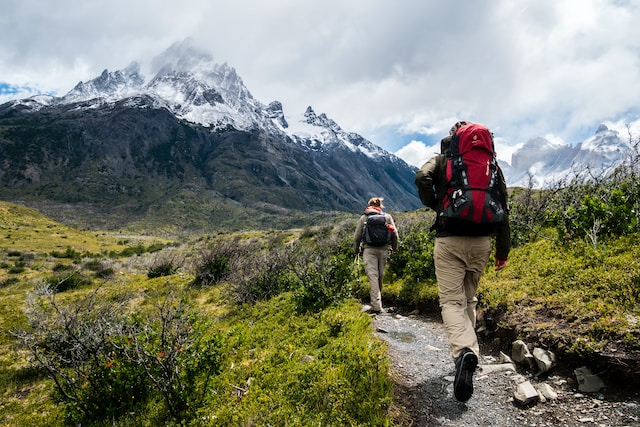
Hiking and camping are fun, rewarding, and educational activities that can create cherished family memories. However, hiking and camping require significant preparation, including wearing comfortable shoes and packing essential first-aid equipment.
Be sure to choose trails that fit everyone’s ability levels, share your itinerary with others, and practice Leave No Trace principles to avoid environmental impact.
Protection from Weather Elements
When choosing outdoor clothing, for instance, Simms Clothing Canada, for your hiking, backpacking, or camping trip, selecting items designed for the conditions you plan on encountering is essential. Choose breathable, moisture-wicking fabrics and consider layering to adapt to changing weather conditions.
Your first layer should be a moisture-wicking base shirt or t-shirt that fits snugly to prevent chafing during long hikes. Add an insulating mid-layer like a vest or fleece jacket and a waterproof outer shell.
The outer shell should be weatherproof, like nylon with a polyurethane coating or a laminated waterproof membrane, and feature zipper vents and an adjustable hood. For colder conditions, a parka can be added to provide additional protection from rain and wind. Ensure you maintain your gear by washing it regularly and storing it in a cool, dry place to avoid mold and mildew. Also, purchase used gear whenever possible to reduce waste and help support a sustainable approach to the outdoors.
Enhances Performance and Comfort
Quality outdoor clothing can distinguish between a good and a great hike. Choose fabrics that help you thermoregulate and wick moisture to reduce the risk of sweating, especially on multi-day trips. Synthetic fabrics like polyester and nylon are lightweight, breathable, affordable, and dry quickly. However, natural fibers like fine merino wool are legendary in hiking for keeping you warm even when wet. They are naturally antimicrobial for minimal odor buildup.
Then consider your mid-layer options, typically made of insulating materials like fleece or down/synthetic puffy jackets. These should be able to be worn during your hike and layered as the temperatures and terrain change throughout the day.
Other essentials include a backpack with all your gear, food, and water to fuel your body during hiking and camping. Investing in high-quality gear, staying informed about backcountry safety and first aid, and practicing Leave No Trace principles will prepare you for an excellent hiking or camping experience.
Prevents Insects
Those pesky, disease-carrying insects can spoil your outdoor fun. They are annoying and can sting you, particularly with bees and hornets, or even carry dangerous diseases like Lyme disease or malaria.
Clothing and gear made with insect-repelling fabrics are a great way to protect yourself without having to spray on harsh chemicals. Synthetic fabrics such as polyester are known for their durability and bug-fighting capabilities, while natural fabrics such as cotton and bamboo offer a sustainable and eco-friendly option.
For extra protection against ticks, look for Permethrin-treated clothing or gear treated with a long-lasting permethrin spray that lasts through many washings. It’s important to remember that while a tick bite can be itchy, it can also carry dangerous diseases such as Lyme disease, malaria, dengue fever, trypanosomiasis, and leishmaniasis. So, check yourself for ticks after every hike and avoid brushy areas and tall grasses.
Keeps You Dry
One of the most important aspects of hiking and camping is staying dry. Having waterproof hiking boots and a durable tent with a rainfly can help protect your gear from heavy downpours and prevent moisture buildup that may lead to mold or mildew. Keeping water on hand and wearing breathable, moisture-wicking clothing can also help regulate your body temperature and keep you cool in hot weather conditions.
Choose shoes and socks designed for hiking with good traction to prevent blisters. Regular cardio exercises like walking or jogging and strength training to target critical muscles used during hiking can improve your endurance and reduce the risk of injury.
Always share your itinerary and expected return time with a trusted contact, and carry a first-aid kit and signaling devices like a whistle or mirror. Be mindful of wildlife and their habitats, and practice good hiking and camping etiquette by leaving campsites as clean as possible.