

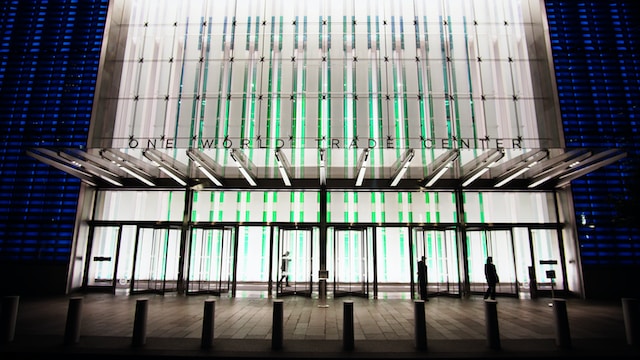
Automatic doors make it easy for customers to enter your store when they have their hands full or are pushing a stroller or trolley. They also offer more security and energy efficiency than manual doors.
Post-pandemic, consumers are more aware of germs and look for hygienic options when visiting crowded spaces. A touchless automatic door eliminates the need to touch a handle and reduces the spread of viruses and illnesses.
Security
Automatic doors offer customers a safe, convenient entry point when configured correctly. From restaurants to healthcare facilities and retail stores to office buildings, these doors offer a hands-free entrance for those entering or exiting the building. They can help ensure automated door energy compliance with ADA standards.
These doors also help to prevent street debris, like cigarette butts or trash, from being blown or tracked inside by people. Using them effectively allows businesses to regulate access and reduce energy expenses.
They are also more hygienic than manual doors. In a busy retail space, the handles of manual doors can be germ hotspots. Automatic doors eliminate the need to touch a door handle, which reduces the spread of germs throughout your store.
Convenience
Whether your business is in retail, a restaurant, or a healthcare facility, customers will appreciate the ease of entry into your establishment. Installing automatic doors in your establishment can save energy by minimizing the frequency of opening and closing the doors during the day.
They also allow a smooth traffic flow without holding the door open for customers with hands full of shopping bags, strollers, or trollies. This is especially important for hardware stores where customers haul large purchases and equipment to their cars or trucks.
Another benefit is that the automated door systems have a sleek design that gives your business an air of sophistication and quality. This will set a positive tone for your customers as they enter your business, making them feel valued and welcome. Lastly, automatic doors are easy for people with disabilities, and ADA compliance requires at least 60% of all public entrances to accommodate wheelchairs and other mobility aids.
Hygiene
Door handles are among the germiest items in many buildings and a common way to pass on COVID-19 or other viruses. Automatic doors reduce the number of touchpoints and provide a hands-free way to enter and exit.
Food industrial doors have an anti-bacterial surface that resists the growth of bacteria, making them a perfect choice for hygiene-critical environments. They also help maintain a stable room temperature to ensure your food meets health and safety requirements.
Hygiene is an important factor in customer satisfaction and long-term client retention. Hygienic doors can be used in all sorts of businesses. They can stop street debris from being blown inside restaurants and help keep a clean environment in healthcare facilities. Even types of hygienic automatic doors with no contact activation significantly reduce the opportunity for germs, contaminants, and coronavirus to spread across shared surfaces.
Safety
Aside from the fact that they’re an efficient way to direct traffic flow, automatic doors are a lot safer. They use sensors to detect obstructions or people and prevent them from closing on them. Sensors may use pressure or touch technology, like mats or pads that sense changes in weight or infrared light to detect the presence of an individual and activate the door to open.
Especially post-pandemic, consumers are more aware of germs. Door handles are notorious hotbeds for bacteria, as hundreds of hands touch them daily. With an automated door, however, customers don’t have to touch any surface to enter or exit. In a high-traffic environment, this adds up to a significant reduction in infections. This is particularly true for grocery stores or other large retail spaces. In addition, many doors are designed with low-energy settings that save money in the long run. Depending on the version of ANSI/BHMA standards referenced, these doors could be exempt from certain hardware and opening force requirements.