

Oil tank installation can be daunting, but with careful planning and preparation, it can be completed with minimal disruption to your backyard. Local regulations and building standards must be followed to ensure the tank is safe and secure and complies with fire and environmental protection regulations.
Permit fees and inspection charges can add up quickly. Here’s how to keep costs down.
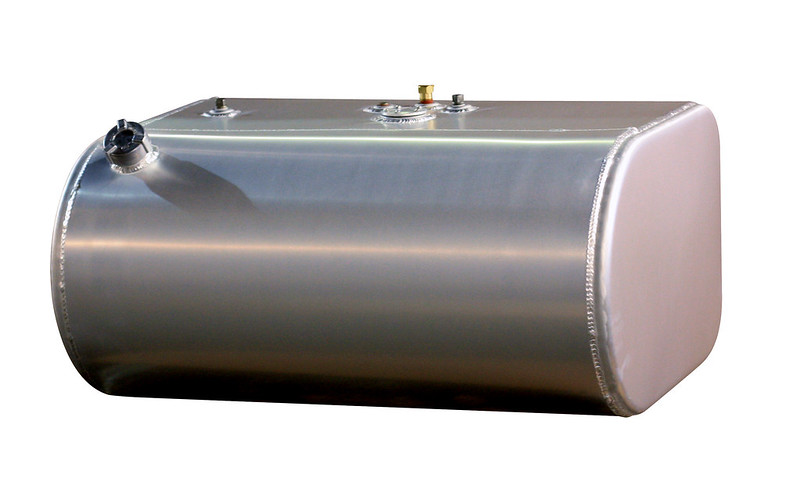
Choosing a Location
Many areas have specific regulations regarding the oil tank installation Westchester County NY. You must check with your local building and fire departments to confirm whether a permit is required, what size tank you can install and how far the tank must be from combustible materials like septic systems and water lines.
You can install your tank indoors in a basement, garage or utility room. This is generally the least expensive option since you don’t have to pay extra for digging a hole and installing a concrete base.
Outdoor tanks are also a good choice if you have space. These must be removed from combustible materials like water lines and septic systems. Still, you can easily access your tank for heating oil deliveries and maintenance. You can choose from plastic or steel tanks and various capacities. If you install an outdoor tank, consider buying a venting system by regulations.
Choosing a Tank
When you’re ready to install a new oil tank or replace an existing one, it’s important to consider the size and location of your tank carefully. This can involve consultations with heating professionals, cost comparisons and other factors.
Your tank should be installed in a place that can support its weight and allow for safe maintenance, refueling, and access. The area should also be clear of debris that could damage the tank or cause a fire. Install the tank at the gable end of your house’s roof to prevent snow and ice from falling on it.
You will also want to consider your typical fuel consumption and future home plans, including any potential family expansion. Consider emergencies such as hurricanes or major snowstorms that may delay your oil delivery service and plan for extra capacity to cover these situations. A good guideline is to select a tank that can hold between 275 and 500 gallons.
Choosing a Plumber
A heating oil tank leak in your basement can cause thousands in damages, and homeowners insurance often doesn’t cover cleanup costs. Replacing the tank early will protect your home and prevent an environmental disaster.
A trained technician will remove your old AST and install the new one. This includes a concrete pad to accommodate the tank’s size and ensure proper drainage slope. They will install a drip pan, set the tank on its feet, and connect a supply line from the float spigot to the compressor fitting using Grooved, polyethylene-coated copper piping and pipe thread sealant.
Depending on the size and type of installation, this can cost from $500 to $1,200. Most of that will be labor, with underground installations costing the most because they require digging. During the work, your building’s heating equipment must be shut off. A good contractor will provide temporary heat to keep your tenants comfortable.
Getting Started
The oil tank installation process involves many steps, but it is not a project for the faint of heart. This is because the job involves working with flammable materials that professionals should handle.
The first step is to consult with your local fire department and building departments about permits to install an above-ground tank. In addition, a permit is also required to install the venting system that is necessary to allow fuel vapors to escape safely.
Having a tank inspector visit your home before the oil tank installation is completed is a good idea. This will ensure the work is done correctly and that all safety measures have been considered.
An installer should also install a gauge showing how much oil is left in the tank. This is important because an underground tank leak could go unnoticed for a long time.