

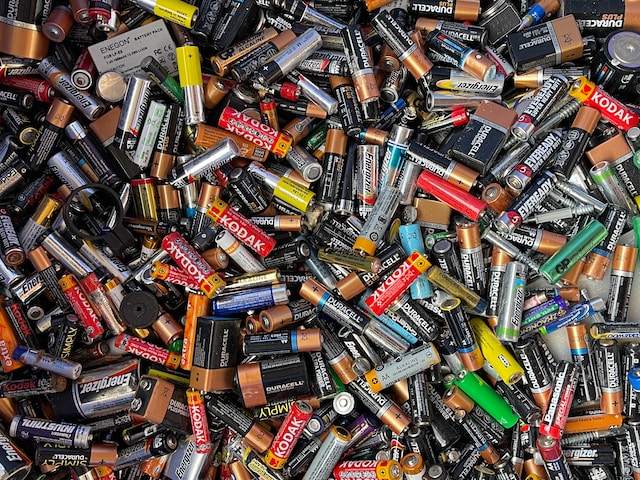
E-waste contains precious metals and chemicals that harm humans and the environment. It’s important to recycle your electronics responsibly because it keeps foreign materials out of landfills and enables less raw material to be taken from nature for new devices.
You can start by looking up local recycling centers that accept e-waste and separate your items. This includes removing any batteries and putting them in a bag or box for proper disposal.
Donate
Whether working or broken, electronic waste should never be put in the regular trash. This is especially important since e-waste cannot be recycled like modern light bulbs or antifreeze and may contain toxic chemicals that can leach into the environment, hurting humans and wildlife.
The most environmentally friendly way to do electronic recycling is by donating them if they are still functional. For example, many charities will accept old but functional smartphones that will be refurbished and given to soldiers, low-income families, or individuals needing technology.
Donating your e-waste can also help minimize the amount of e-waste imported into developing countries, which harms local populations in the form of polluted air, land, and water. This is because irresponsible recyclers dump e-waste in foreign junkyards to collect valuable components such as copper, gold, aluminum, and lithium. Instead, donate your electronics to a reputable and certified recycler.
Sell
If your electronics are still in working condition, consider donating them for reuse or selling them second-hand. Both options help reduce the number of electronic devices that end up in landfills, as they extend the life of equipment and generate revenue for charities or businesses.
For example, nonprofits offer a recycling program that helps the community by sending overseas troops prepaid mobile phones to keep in touch with loved ones and encourage fitness by encouraging wearable tech like fitness trackers. Additionally, there are online marketplaces that make it easy to sell your used electronics.
If you’re a business that generates large amounts of electronic waste regularly, consider working with an e-waste recycling company that will make recurring collections for you. This way, you can ensure that your e-waste is handled responsibly and that you’re not contributing to illegal trade practices, such as dumping the materials in a landfill or exporting them to a developing country where there aren’t any regulations for processing e-waste.
Trade
E-waste contains valuable materials like copper, aluminum, and lithium that can be recycled into new devices. This minimizes virgin resource extraction and saves energy. Plus, it helps protect planetary resources.
Unfortunately, e-waste is often landfilled or burned in unregulated landfills. E-waste is the fastest-growing waste stream and one of the world’s most significant environmental hazards.
To prevent electronic waste, both individuals and businesses are opting for trade-in programs, recycling, and refurbished devices. They also demand that manufacturers provide these alternatives to ensure that their discarded products don’t end up in landfills. Implementing laws that hold manufacturers responsible for their products from production to disposal will encourage them to create sturdier, more affordable, and easily repairable electronics that use safer materials.
Recycle
E-waste is any discarded electrical or electronic device with wires, batteries, or plugs. This includes cell phones, tablets, laptops, TVs, and fax machines. It also covers more oversized items such as washing machines and dryers with a significant amount of metal in their construction. E-waste is not something you can throw in the trash. You can take it to a recycling facility, but make sure you’re working with a certified company.
Recycling electronic waste helps save energy, minimizes virgin material extraction, and protects the environment. Old cell phones, for example, contain valuable metals like copper, silver, and gold, which can be reused. To reduce e-waste, consider selling or donating your unwanted devices to charities, emergency services, and schools. Make sure to delete any personal information before disposing of them and remove the batteries from any laptops or cell phones. Never throw e-waste in your regular garbage; this can cause fires and release toxic chemicals into the environment. Recycling one million cell phones can save the energy equivalent to powering 3,500 homes a year.